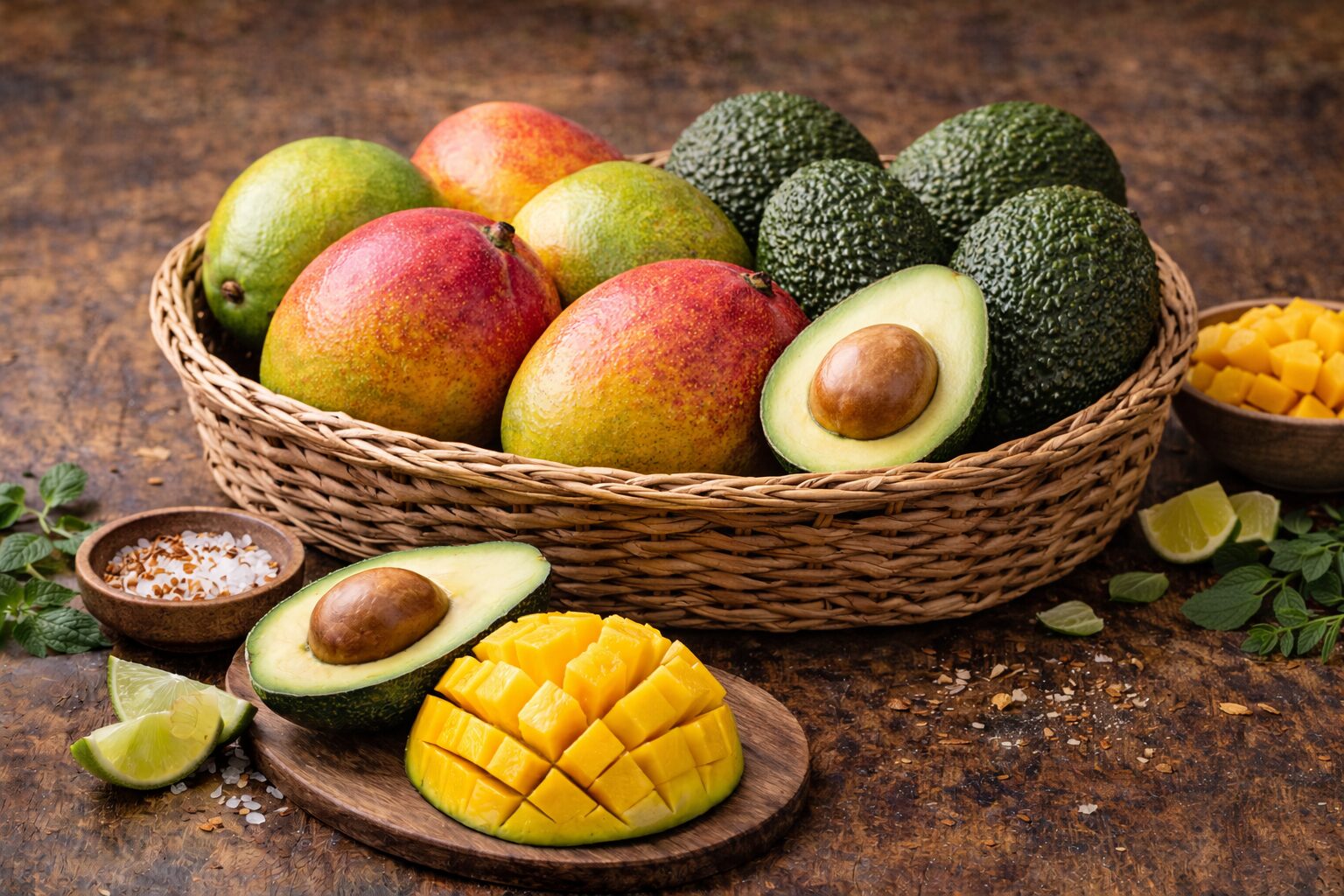
Mango Recipes for Ramadan
Every year, Muslims around the world celebrate the most sacred month — Ramadan. This year, Ramadan begins on February 17 and concludes at sunset on March 19, with joyful celebrations across the globe. Central to the observance, Muslims fast each day from dawn until sundown. The meal that breaks the fast is called Iftar — a deeply anticipated and meaningful moment shared with family and community.
That’s where mango can play a delicious and healthy role.
Naturally sweet, hydrating, and nutrient-dense, mango is a beloved fruit across many Muslim cultures — from South Asia to the Middle East and Africa. Whether blended into refreshing drinks, tossed into vibrant salads, or featured in light desserts, mango adds energy and brightness to the Ramadan table. As families gather to break their fast, mango offers a flavorful way to nourish the body and celebrate the season.
Here are some standout recipes for Ramadan tables everywhere:
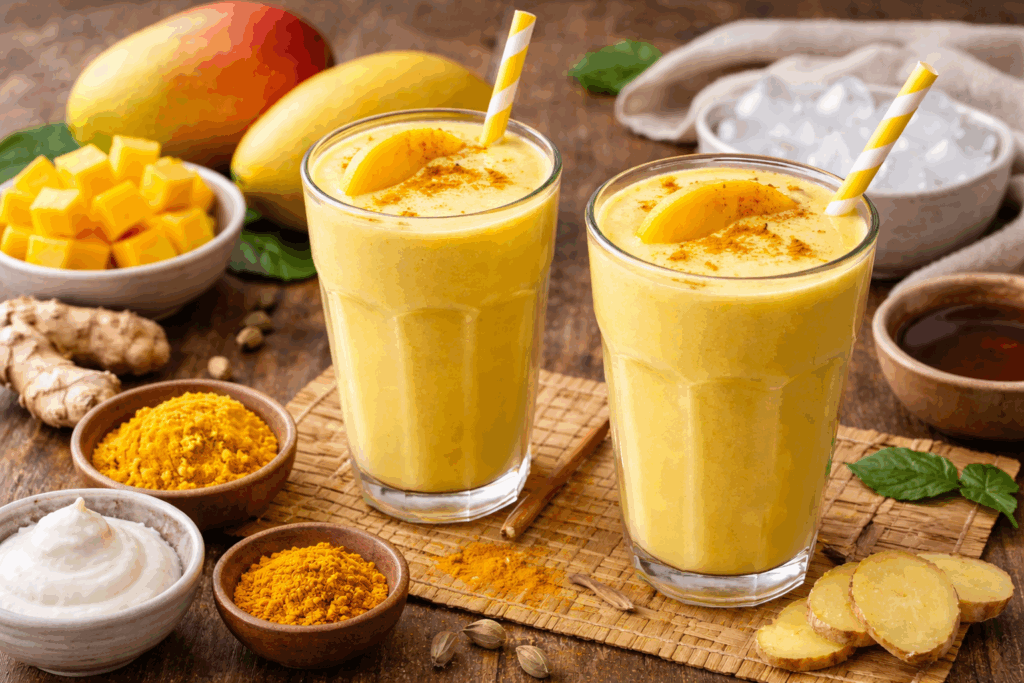
Mango Lassi & Mango Smoothies
If there’s one drink that defines Iftar in South Asian homes, it’s mango lassi. Cold, creamy, lightly sweet, and energizing — it replenishes hydration and natural sugar after a long fast.
In Pakistani, Indian Muslim, and Bangladeshi households, mango lassi is practically a Ramadan staple. Mango smoothies offer the same refreshing benefit and are equally suitable for breaking the fast.
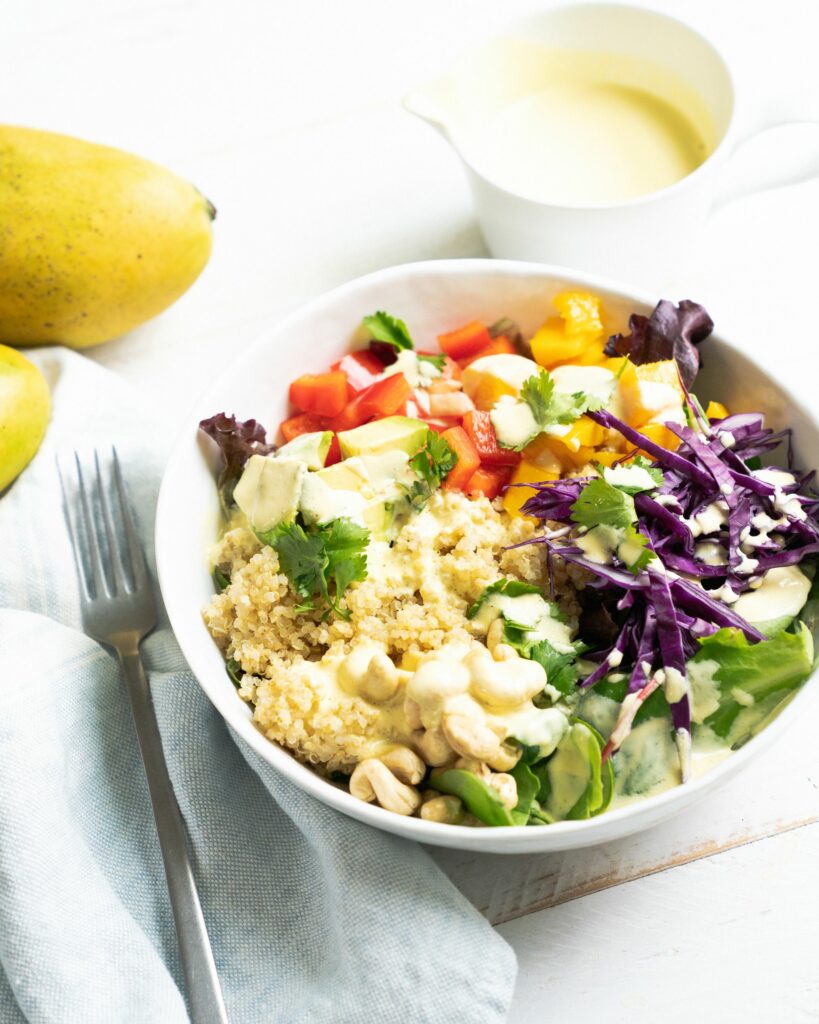
Tropical Mango Bowls with Citrus Drizzle
Across the Muslim world, many families break their fast with dates and fruit before moving on to heavier dishes. A tropical mango bowl complements this tradition.
Light, nutrient-dense, and gentle on the stomach, fruit bowls help the body transition back to digestion after a full day of fasting.

Avocado and Mango Salad
Fresh salads are a welcome first course at Iftar — especially those that are bright, colorful, and hydrating.
Try it as a nourishing starter. The creamy avocado paired with sweet mango creates balance, and it remains vegetarian, alcohol-free, and refreshing. It complements traditional mains beautifully without overwhelming the palate.

Mango Mint Wraps
Mint plays a major role in Ramadan cooking across the Middle East and South Asia — think mint chutneys, mint yogurt sauces, and mint-infused drinks.
A light mango mint wrap makes a smart Suhoor (pre-dawn meal) option: filling enough to sustain energy without being so heavy that it leaves you sluggish during the fast.
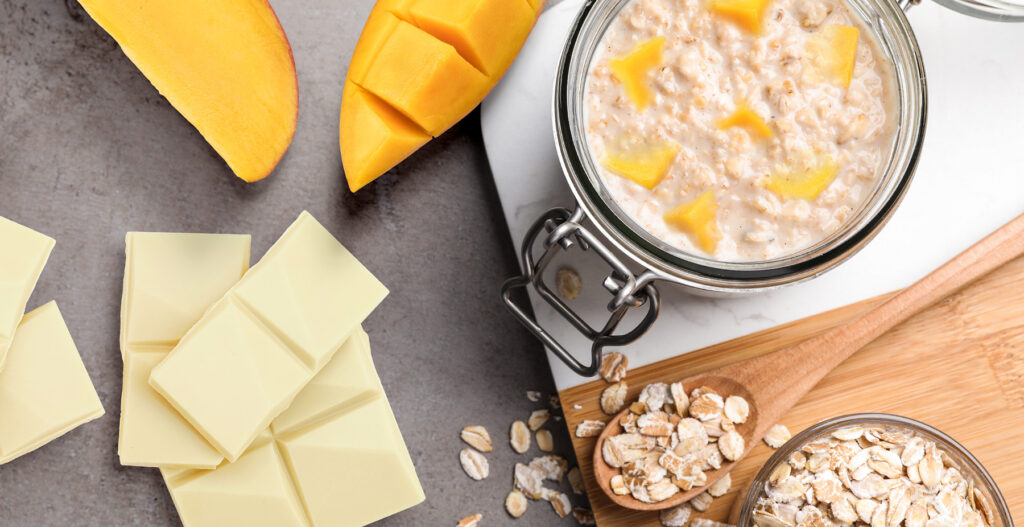
Mango White Chocolate Overnight Oats
Suhoor success often comes down to preparation. Overnight oats are perfect because they’re made the night before — no early-morning cooking needed.
With fiber and slow-digesting carbs, they help maintain steady energy levels throughout the day. The mango adds natural sweetness and hydration.
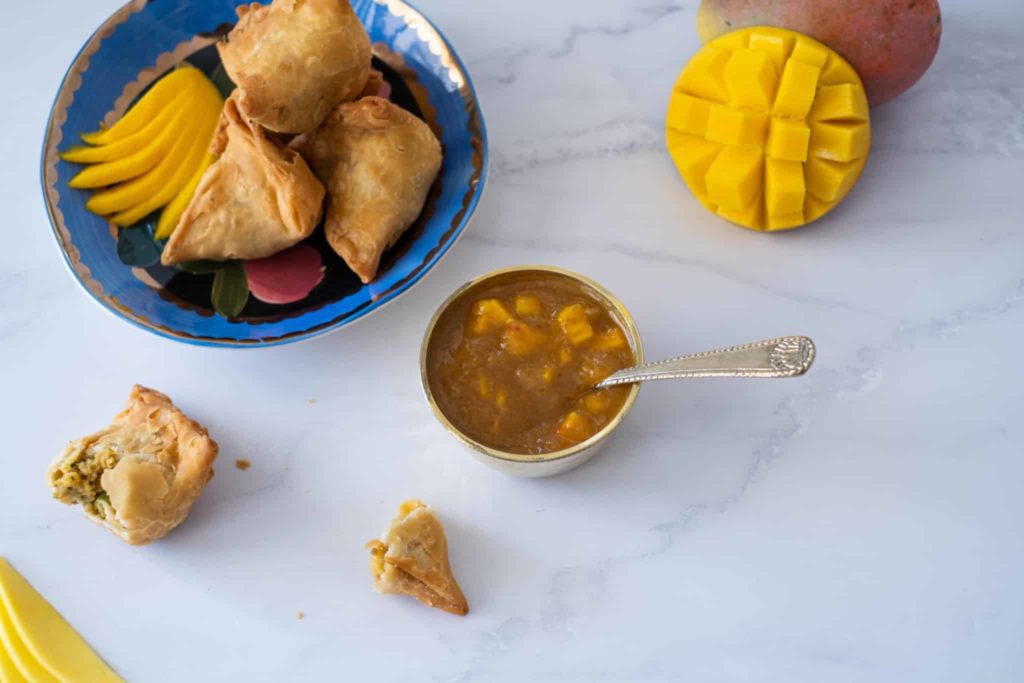
Mango Chutney, Sauces & Condiments
In South Asian and Middle Eastern Ramadan spreads, chutneys and sauces are essential. Mango chutney is a cornerstone condiment, served alongside samosas, kebabs, breads, and rice dishes.
Its sweet-tangy brightness cuts through rich Iftar foods.

Mango Mousse & Mango Desserts
No Iftar feels complete without something sweet to top off the meal.
Light mango mousse, mango clusters, or chilled mango desserts are perfect after a savory meal — indulgent yet not too dense.
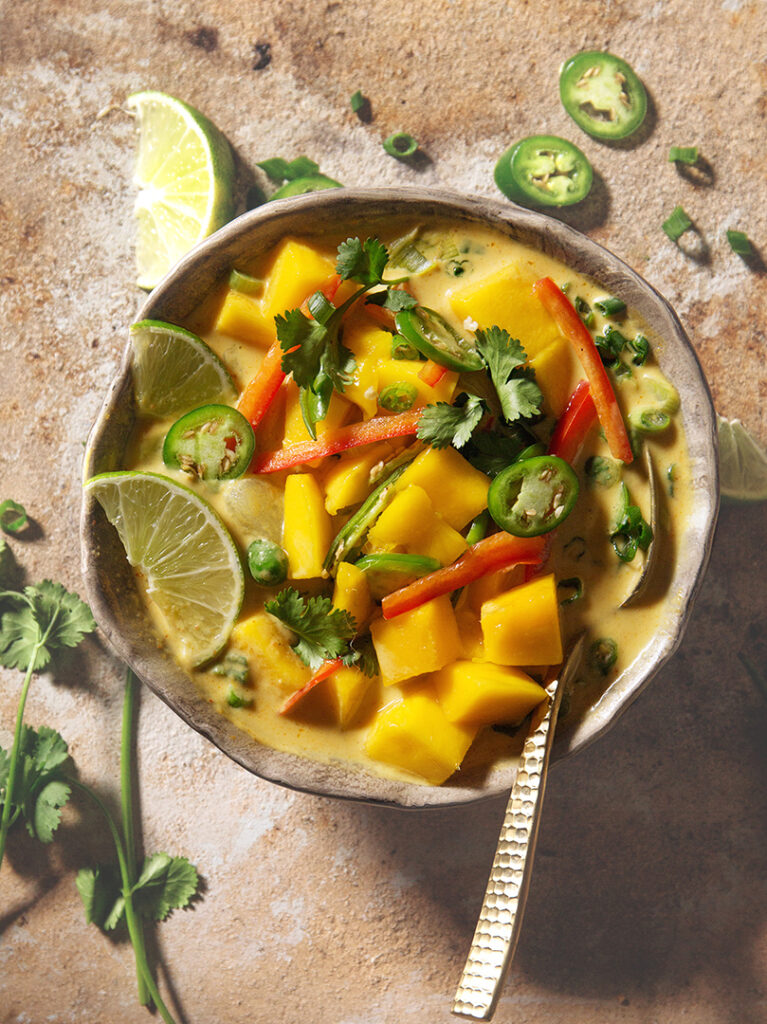
Mango Soups
In many North African homes, Iftar begins with soup — often the beloved harira. A chilled mango soup could play a similar role: light, refreshing, and easy on the stomach. It offers a creative twist while honoring the tradition of starting Iftar gently.
Whether it’s a creamy mango lassi at sunset, a vibrant fruit bowl to gently break the fast, or overnight oats to power the day ahead, mango proves itself to be one of Ramadan’s most versatile and beloved ingredients.