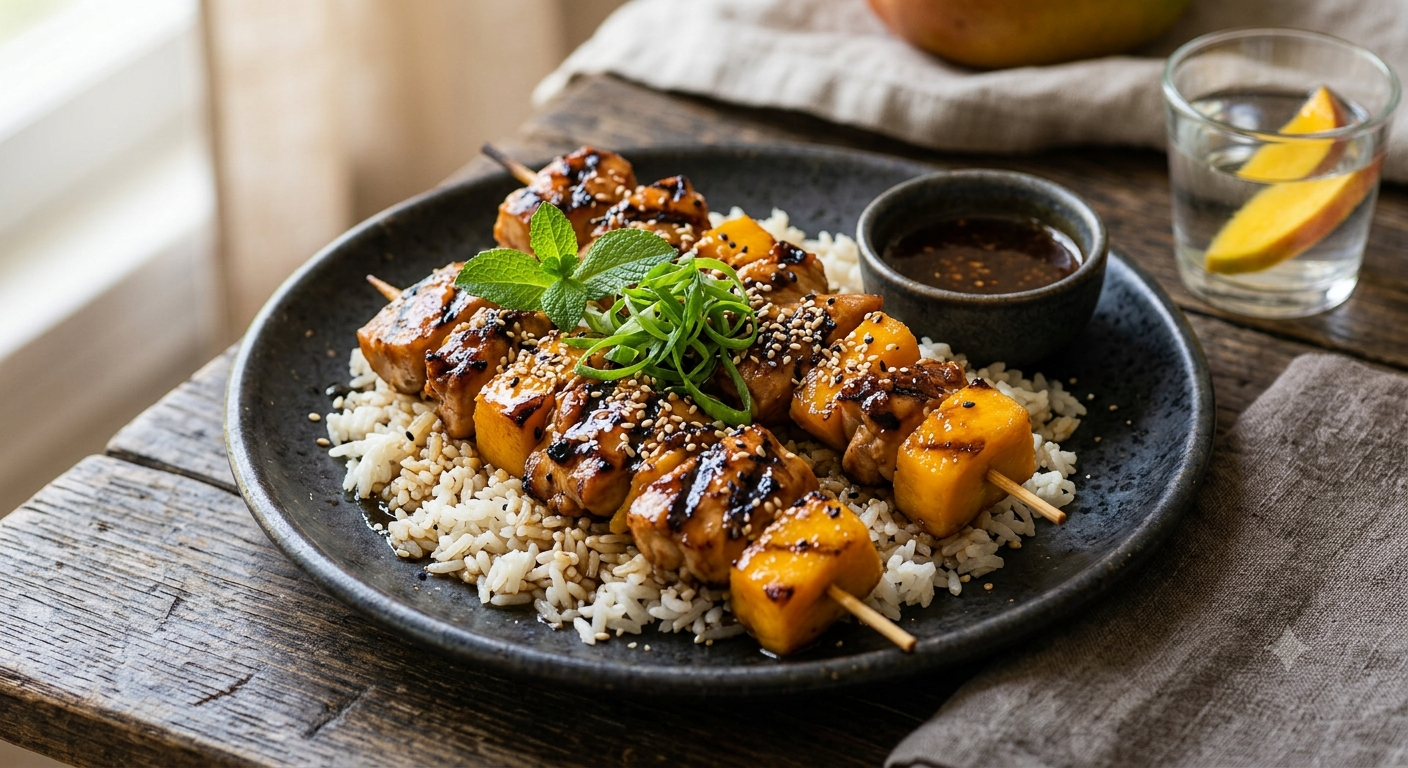
A Fresh Take on Asian-Inspired Cooking With Mango
Some ingredients have a way of making a meal feel just a little brighter. Mango is one of them.
Its juicy sweetness balances bold spices, adds freshness to crisp vegetables, and complements everything from grilled meats to delicate herbs. Across many Asian cuisines, sweet and tangy flavors often work hand in hand, making mango a natural addition to vibrant, colorful recipes full of contrast.
Whether you’re planning a weeknight dinner, gathering friends around the table, or simply looking for a new way to enjoy fresh mango, these recipes offer plenty of inspiration.

Thai Curry Meatballs With Spicy Mango
Comfort food gets a fresh twist in this flavorful dish. Tender meatballs, seasoned with Thai-inspired spices, are topped with a vibrant mango mixture that adds just the right touch of sweetness to every bite. The contrast between warm spices and juicy fruit makes this recipe feel both familiar and unexpected. Serve over jasmine rice for an easy dinner or offer them as an appetizer at your next get-together.

Mango Korean BBQ Bulgogi Wraps
These wraps are all about balance. Savory marinated beef, crisp vegetables, and ripe mango are wrapped in soft lettuce leaves for a meal that’s fresh, satisfying, and full of flavor. Every bite offers something different—sweet, smoky, crunchy, and bright—making these wraps a fun way to bring Korean-inspired flavors to the table.

Mango Chicken Potstickers With Mango Chili Dipping Sauce
There’s something special about gathering in the kitchen to fold potstickers together. This recipe pairs a savory chicken filling with a sweet-and-spicy mango chili dipping sauce that transforms each bite into something memorable. Whether served as a light meal or shared as an appetizer, these potstickers are worth slowing down for.

Mango Noodle Shrimp Spring Rolls
Light, colorful, and endlessly refreshing, these spring rolls showcase fresh ingredients at their peak. Sweet mango joins shrimp, rice noodles, crisp vegetables, and herbs, all wrapped in delicate rice paper for a dish that’s as beautiful as it is delicious. They’re perfect for warm afternoons, casual lunches, or entertaining when you want something that feels effortless.

Vietnamese Green Mango Noodle Bowl With Beef
Green mango brings a bright, tangy crunch that makes this noodle bowl especially refreshing. Paired with tender beef, fresh herbs, vegetables, and noodles, every ingredient has its place. The result is a satisfying meal with layers of texture and flavor that come together beautifully in each bite.
Why Mango Belongs in More Than Dessert
While mango is often celebrated for its naturally sweet flavor, it’s equally at home in savory dishes. Its juicy texture softens spicy flavors, complements rich proteins, and adds a burst of freshness to dishes ranging from salads to wraps and noodle bowls.
It’s also a nutritious addition to your plate. Mango is an excellent source of vitamin C, a good source of folate and copper, and a source of fiber—all while adding vibrant color and tropical flavor to everyday meals.
A Few Simple Mango Tips
Choosing a ripe mango is easier than you might think. Instead of focusing on color, gently squeeze the fruit. A ripe mango will yield slightly, much like a ripe avocado, and often has a sweet, fruity aroma near the stem.
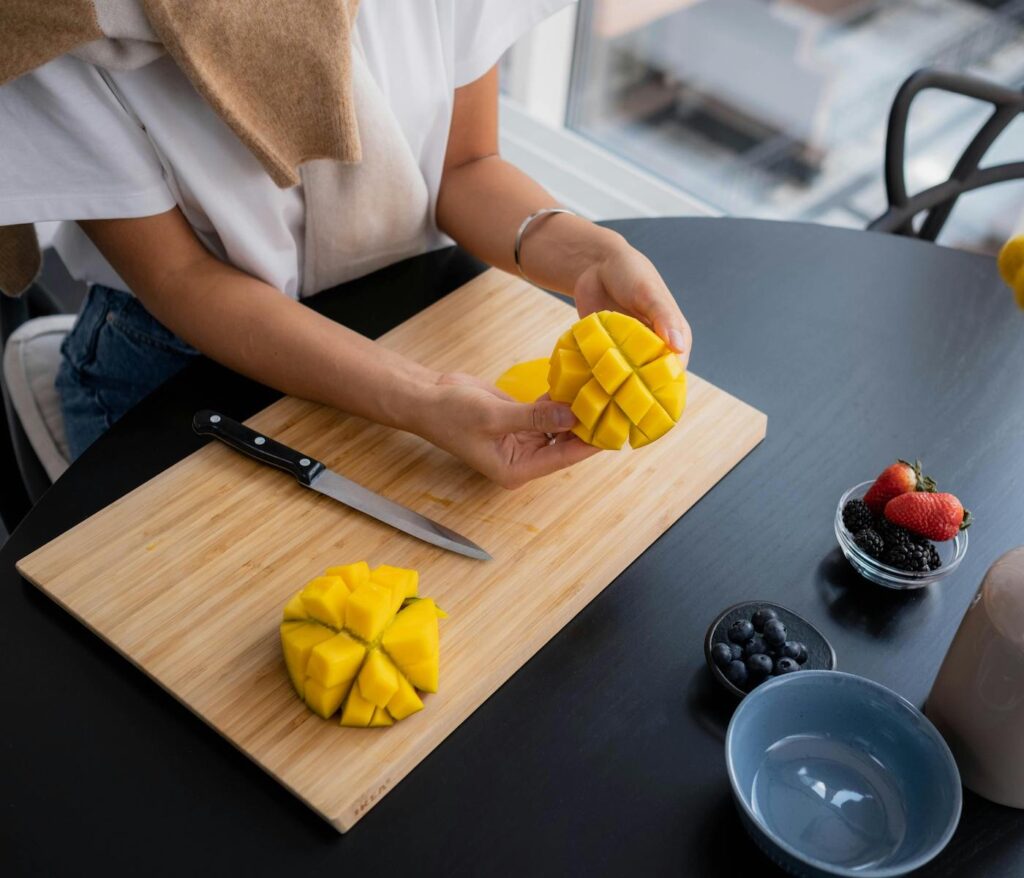
When it’s time to prep, don’t be intimidated. Once you learn how to cut around the flat pit, you’ll have perfect slices or cubes ready for salads, wraps, spring rolls, and noodle bowls in just a few minutes.
Sometimes, all it takes is one fresh ingredient to spark a new favorite meal. With its bright flavor and incredible versatility, mango invites you to explore familiar recipes in a whole new way—one colorful, delicious bite at a time.