Can babies eat mango?
Can babies eat mango? Yes and here’s all you need to know.
Becoming a new parent comes with a constant stream of questions. Some are big like sleep schedules, and some are deliciously curious like the one many parents eventually ask: Can babies eat mango?
Good news. Oh, baby, yes, they can!
Better news. Mango is one of the most joyful fruits to introduce in early feeding. It is bright, naturally sweet, loaded with nutrition and wonderfully simple to prepare.
Below is a friendly guide that walks you through when to start, how to serve it and why this sunny fruit is such a powerful choice for growing bodies. Along the way you will find parent tested tips, early feeding ideas and a few tips from preschool character Blippi and kid favorite mango snacks. Let’s dive in!
When Can Babies Start Eating Mango?
According to the Centers for Disease Control and Prevention, babies can begin tasting foods outside of breast milk or infant formula around 6 months of age. You will know your baby is ready when a few key milestones show up:
- Sitting without support
- Steady head control
- Leaning forward with an open mouth when offered food
By 7 or 8 months, most babies are ready to explore a variety of foods across all food groups. Fruit becomes a natural next step, and mango adds a bright pop of yellow to your baby’s eating rainbow.

Two Ways to Safely Introduce Mango to Babies
Feeders
Many parents like to start with a mesh or silicone feeder. Pop in fresh mango and let your little one enjoy the treat. It keeps the mess manageable and helps babies get comfortable with new textures.
Purees
Purees are another perfect starting point. Smooth, sweet and easy to digest. Here a simple five-step guide:
How to make mango puree for babies
- Choose a ripe mango by giving it a gentle squeeze. A ripe one has a slight give.
- Wash the mango well to remove unwanted bacteria.
- Cut the mango into pieces that fit into your blender or food processor.
- Blend until smooth. Add a splash of water if you want it thinner.
- Serve in a small bowl and let your little one enjoy.
Older Kids Agree—Mangos are Naturally Sweet and Totally Kid-Approved
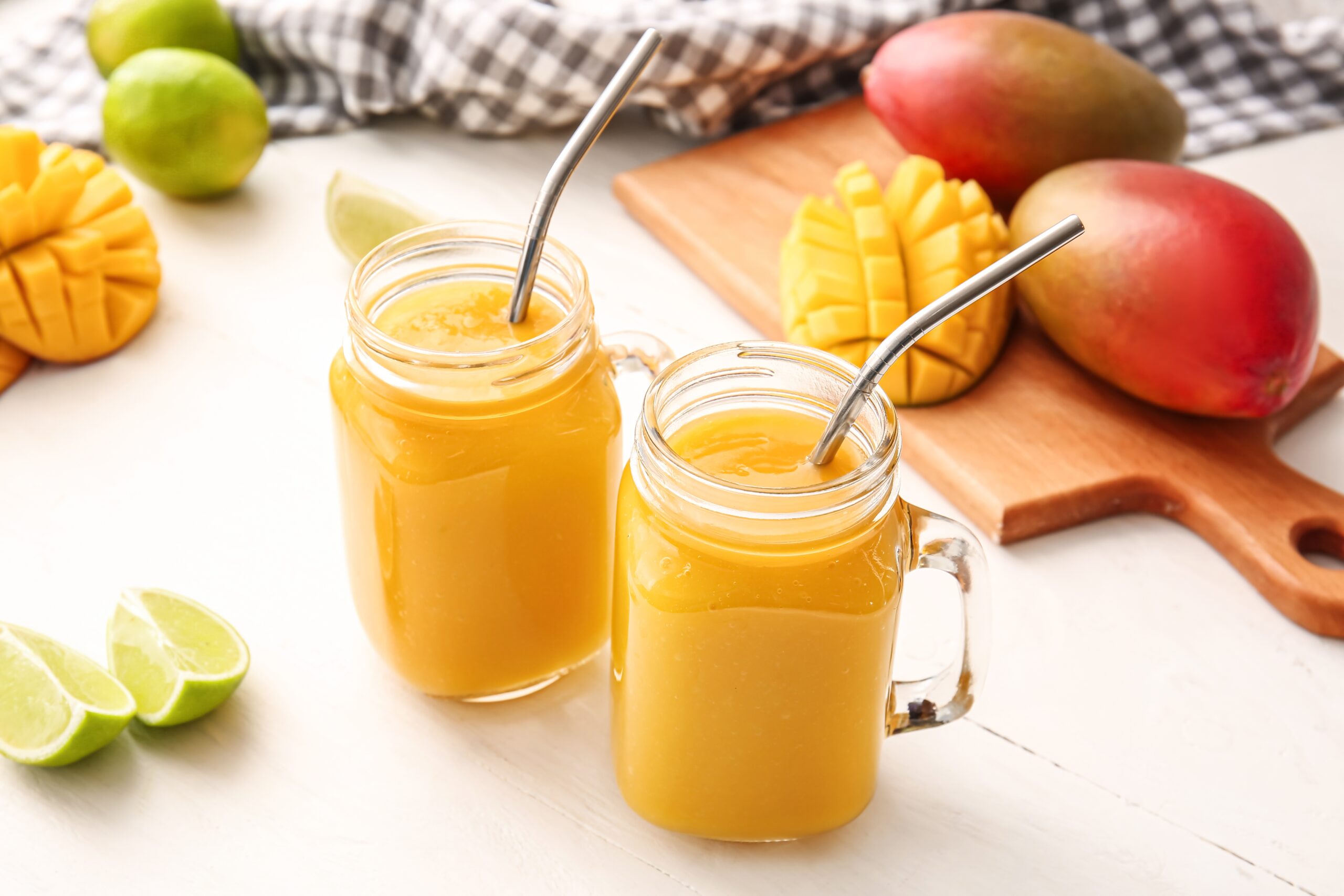
Once your child gets a little older, smoothies are sure to become an instant hit. Mango also shines in fun little snacks.
Snack Time is Mango Time
Rolling fresh mango in coconut flakes is a tiny treat that even video favorite, Blippi, would cheer for. In fact, the popular live-action preschool character has called mangos a “Green Flag Snack,” that wonderful sign that something is an easy yes.
Try more kid friendly snacks and check out Blippi’s mango adventures too.
Smoothies That Kids Always Love
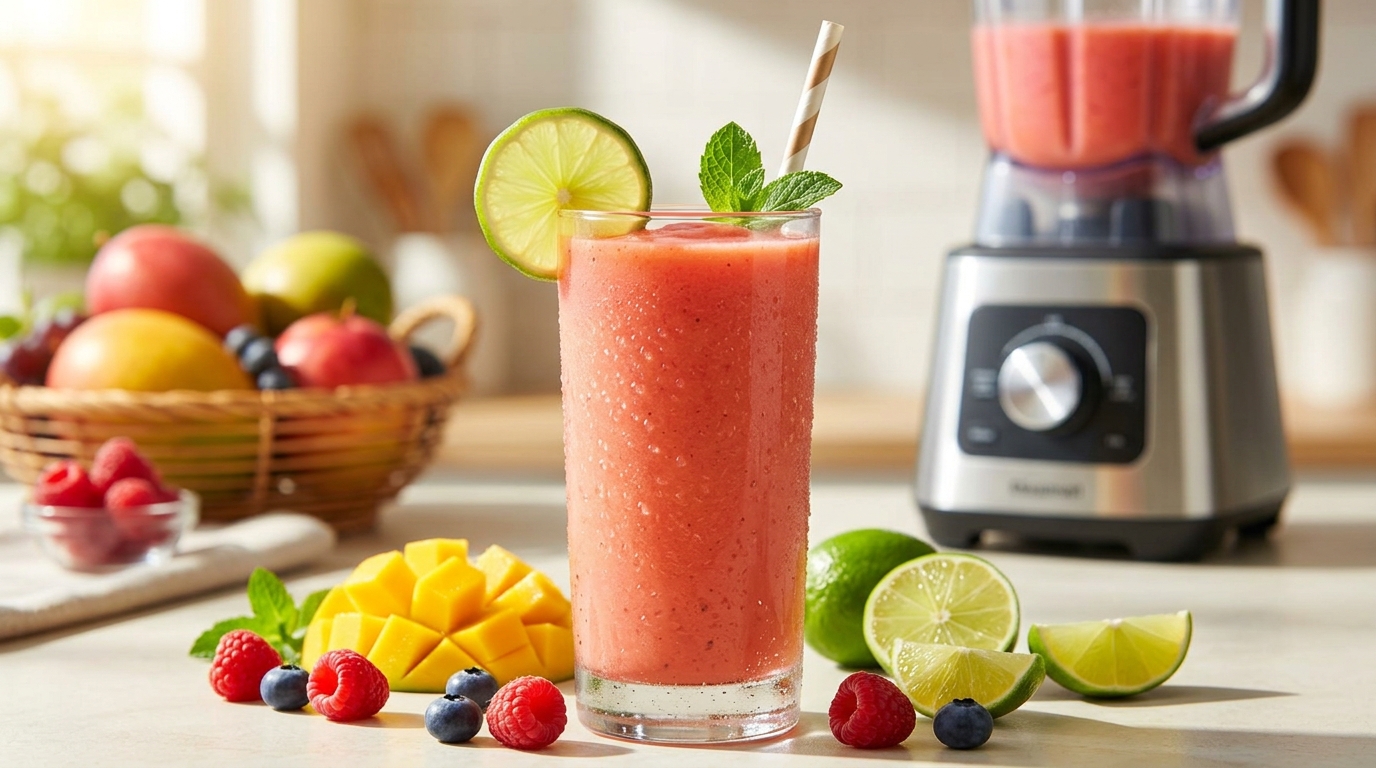
Sometimes simple hits best. Blend mango, banana, honey, milk and ice. Smooth, creamy and always a winner.
A bright, creamy blend of avocado, spinach and mango providing healthy fats, potassium and vitamin C in every spoonful.
Part breakfast, part art project. Blend mango, banana, yogurt, honey and water. Then top with fresh mango, kiwi and coconut flakes. Fun to make and even more fun to eat.

Nutrition Parents Can Feel Good About
Mango is a low-calorie fruit that still delivers a surprising amount of nutrition. Each bite helps support early growth and everyday energy.
Brain boosting and mood lifting
Mango contains B6 and folate which help support brain and nerve development. A snack that helps kids learn and laugh is a win for any parent.
Hydration hero
Fresh mango is about 83 percent water which makes it a built-in thirst quencher. Great after playtime on sunny days.
Gut-friendly
Fiber and polyphenols keep digestion running smoothly and support immune health.
Steady energy
Natural carbs paired with fiber help prevent sugar crashes. That means steadier moods and fewer meltdowns.
Packed with vitamins and minerals
A single serving of mango offers vitamin C, vitamin A, copper and antioxidants. It is nutrition that kids actually enjoy eating.
Top Questions Parents Ask
What age can babies eat mango?
Most babies can begin trying mango around 6 months once they show key developmental signs like sitting unassisted and steady head control.
How many calories are in a mango?
A whole mango has about 202 calories. A 3/4 cup serving has 70 calories. Each serving provides 19 grams of natural carbohydrates which offer energizing fuel without a calorie overload.
These options come with zero fat, zero sodium and zero cholesterol. The calories from mango bring along powerful nutrients that support wellness at any age.
One serving provides:
- 50 percent of daily vitamin C
- 8 percent of vitamin A
- 8 percent of vitamin B6
- 7 percent of daily fiber
- 15 percent of daily folate
- 15 percent of daily copper
How do I choose a good mango?
Look for a mango that gives slightly when you squeeze it gently. A ripe mango feels similar to a ripe peach. Don’t rely on color because varieties ripen with different shades. Trust the feel first. A sweet, fruity aroma near the stem is also a good sign that the mango is ready to enjoy.