First Taste of Joy
Go Gaga for Mangos
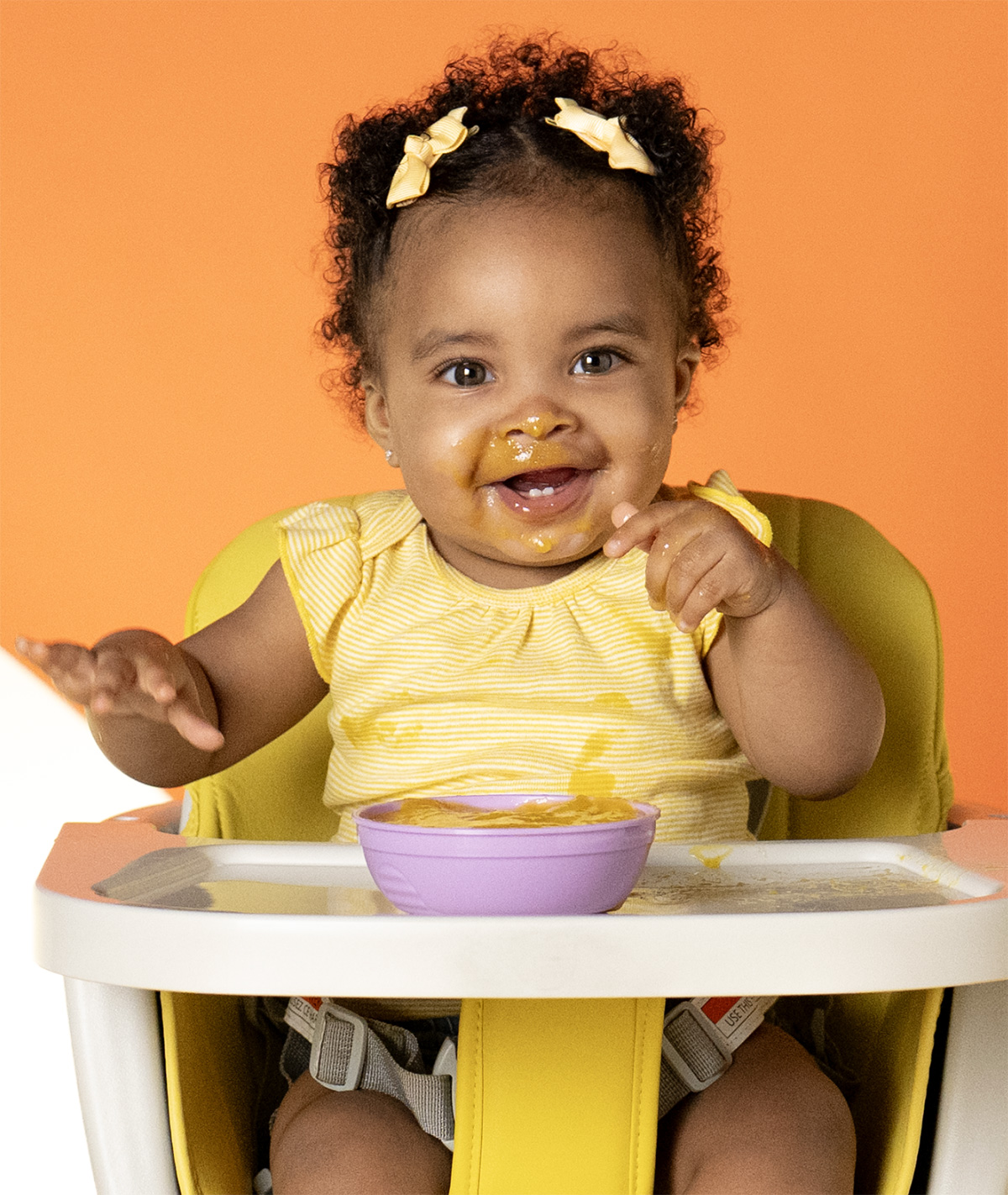
Guess what’s making tiny taste buds do the happy wiggle? Mangos, of course. To prove it, we assembled the world’s most adorable judging panel to taste mango and deliver the official Cutie Patootie Verdict.
Spoiler alert:
Things got delightfully messy.
20+ VITAMINS AND MINERALS NEVER TASTED SO GOOD
Mango provides nutrients like vitamin B6, folate and vitamin A that may help support healthy brain development, growth and learning in babies.
With fiber and water, mango may help support healthy digestion, hydration and immune health.
Mango contains carbohydrates for energy along with vitamin C and antioxidants in a soft, naturally sweet fruit babies love to eat.
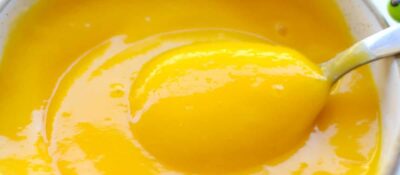
to Make Mango Puree
Pureed mango is a tasty treat for little ones beginning their solid food journey. Consult your pediatrician before feeding your baby mango.
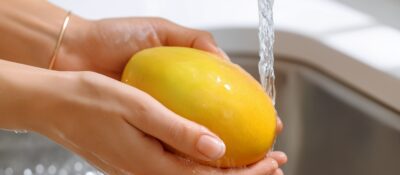
1. Wash
Wash the mango well to remove unwanted bacteria.

2. Cut
Cut the mango into pieces that fit into your blender or food processor.

3. Blend
Blend until smooth. Add a splash of water if you want it thinner.
CURIOUS PARENT CORNER
Your mango questions answered.
Babies can begin enjoying fresh mango puree around 6 months of age, once they are able to sit up with little or no support and have good head and neck control. For a baby-led weaning approach, babies around 6 months can also explore mango as large spears or by gnawing on the pit with most of the flesh removed.
It’s always a good idea to talk with your pediatrician before starting solids to make sure your baby is developmentally ready, and parents can find helpful guidance on introducing foods like fresh mango through the CDC’s Infant and Toddler Nutrition webpages.
As babies grow and develop feeding skills, they may be ready to enjoy mango in new forms. Around 9 months, soft bite-sized pieces or smaller spears may work well, and by about 12 months, many toddlers are ready for fully bite-sized pieces when developmentally appropriate.
Babies 6 months and older who are showing signs of readiness for solids can explore a whole mango pit or seed with most of the flesh removed, allowing them to safely practice chewing and self-feeding. Be sure to remove the majority of the fruit first to help prevent babies from biting off large pieces and always serve mango in an age-appropriate way since its slippery and sometimes firm texture can present a choking hazard.
Choose a ripe mango by giving it a gentle squeeze. A ripe one has a slight give.
Homemade mango puree can be stored in an airtight container in the refrigerator for 24 to 48 hours, or in the freezer for up to 3 to 6 months. Always keep the puree in an airtight container. If you are feeding your baby directly from that container, discard any leftovers, as baby’s saliva can introduce bacteria.
Fresh mango is a nutrient-dense fruit that provides vitamin C, vitamin A, fiber, folate and antioxidants to support overall health. It also contains carbohydrates for energy and is naturally fat-free, sodium-free and cholesterol-free.
Although mango allergy is uncommon, some babies and children may still have an allergic reaction to mango. Children with cashew or pistachio allergies and babies with latex or certain pollen allergies (including birch, grass, mugwort, or ragweed) may be more likely to react to mango. Always consult with your baby’s pediatrician before introducing new foods.
- Other fruits – Mango + blueberries, kiwi, pineapple, avocado or pear
- Vegetables – Mango + spinach, cauliflower, carrot or sweet potato
- Healthy fats – Mango + avocado, nut butters, yogurt or coconut milk
- Grains – Mango + oatmeal
- Combos – Mango + fruit + vegetable
Baby Blogs
The Naturally Invigorating Nutrition of Mangos

Can babies eat mango?
5 Benefits of Mango for Kids
the Judges
Our cutie patootie judging panel.
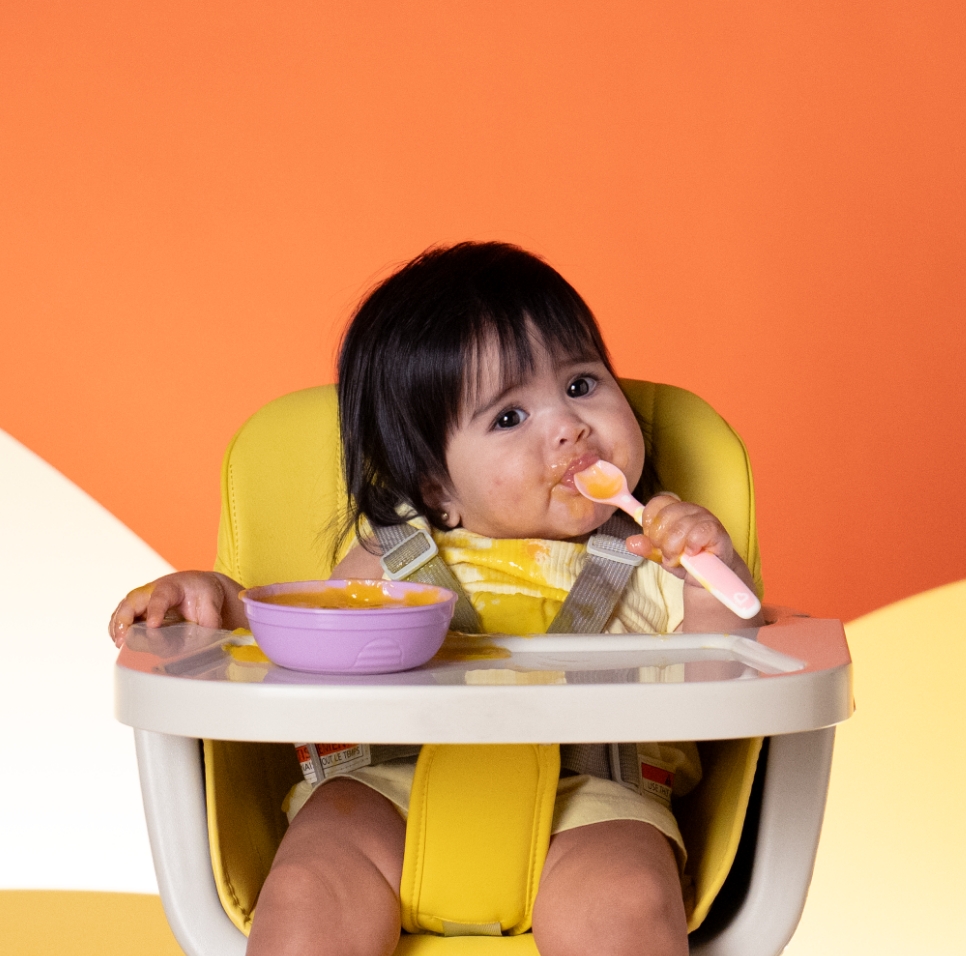
Valentina 8 MOS
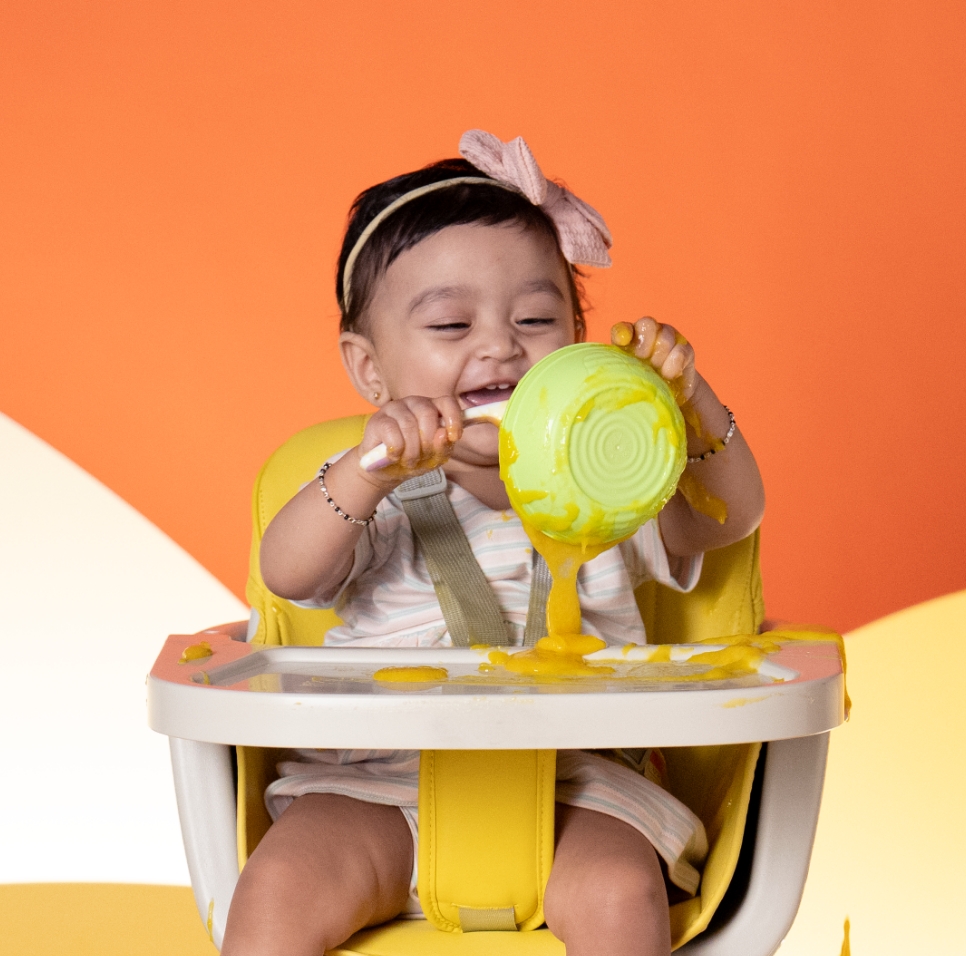
Vedica 8 MOS
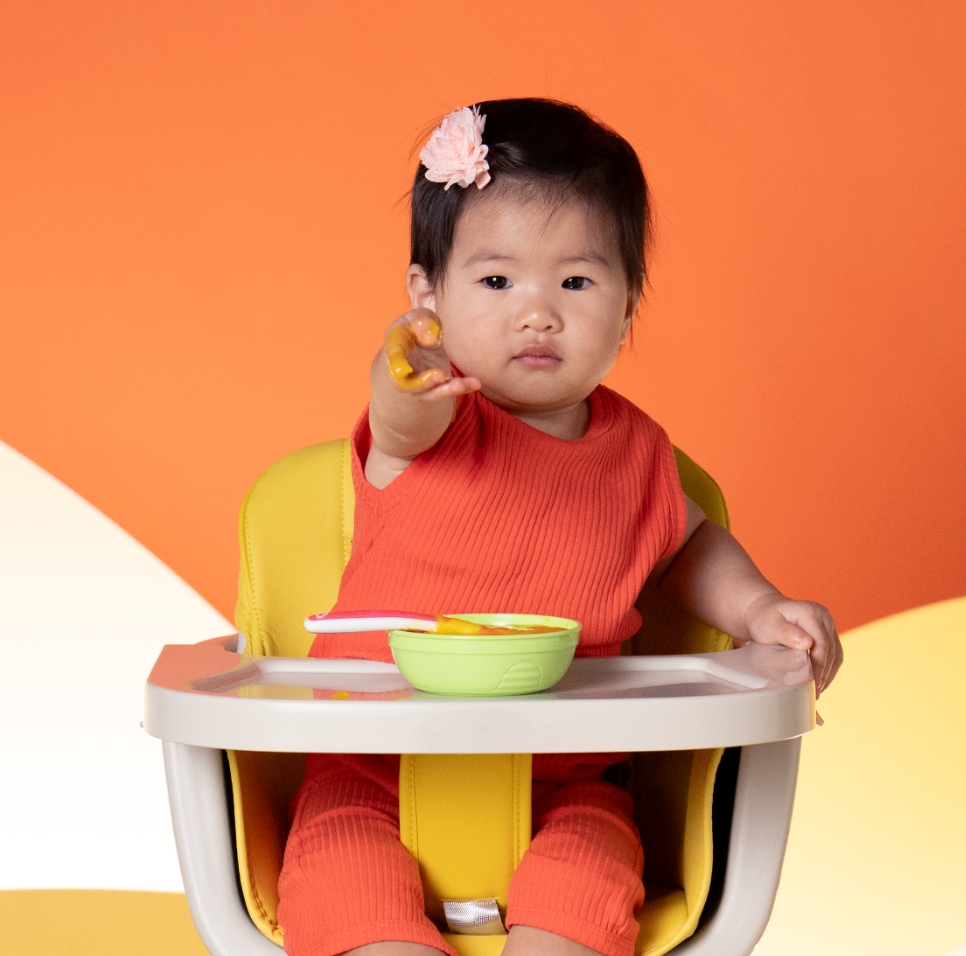
Emma 12 Mos
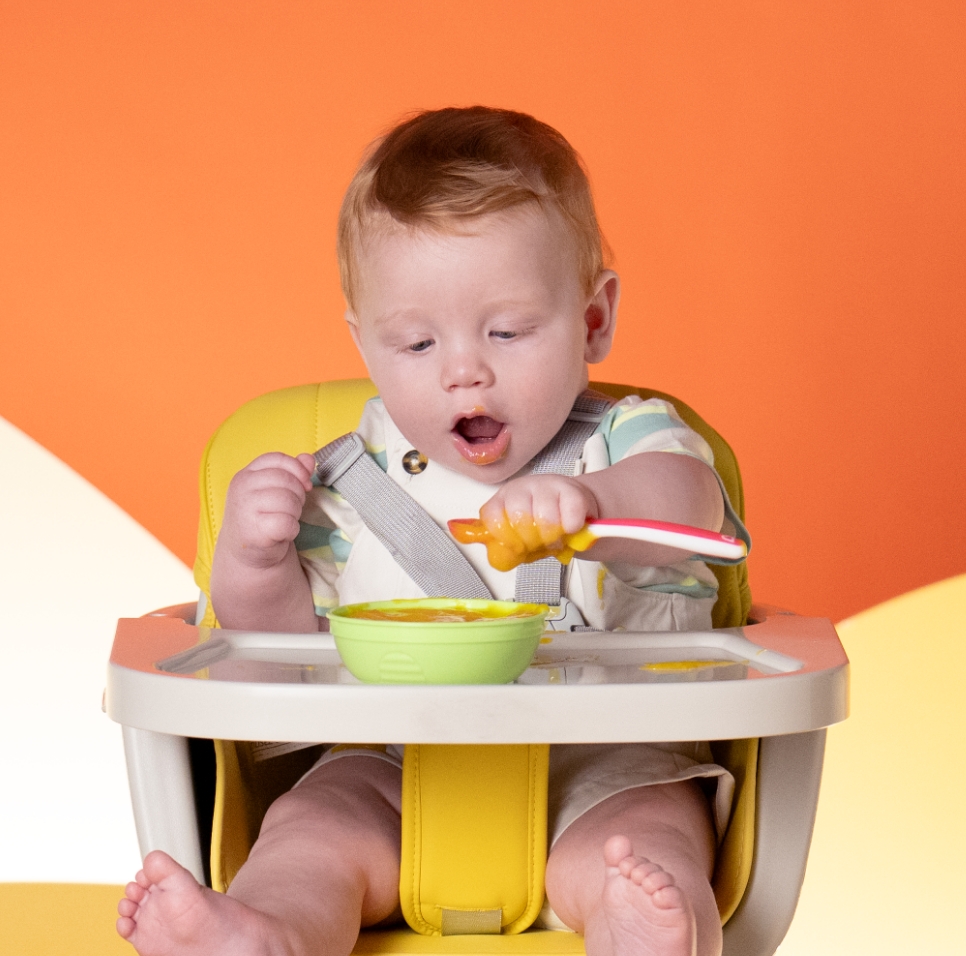
Boone 7 Mos
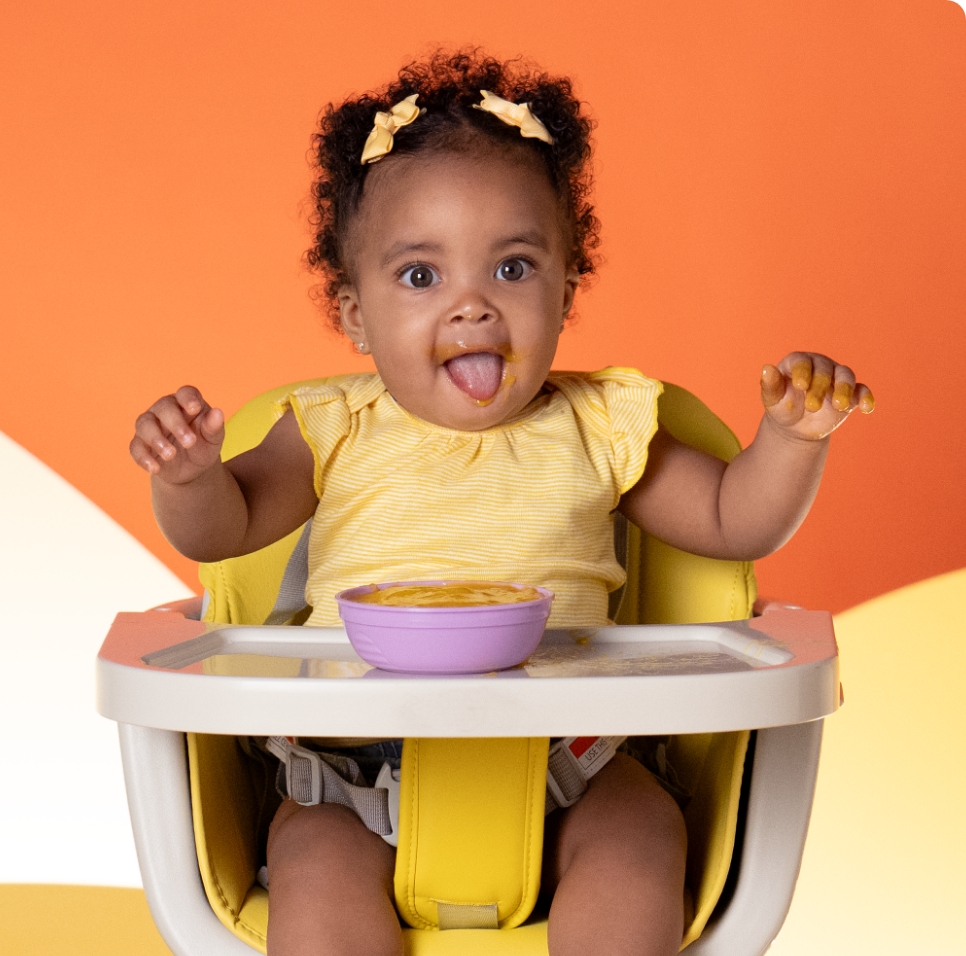
E'mari 8 Mos

Evan 8 Mos
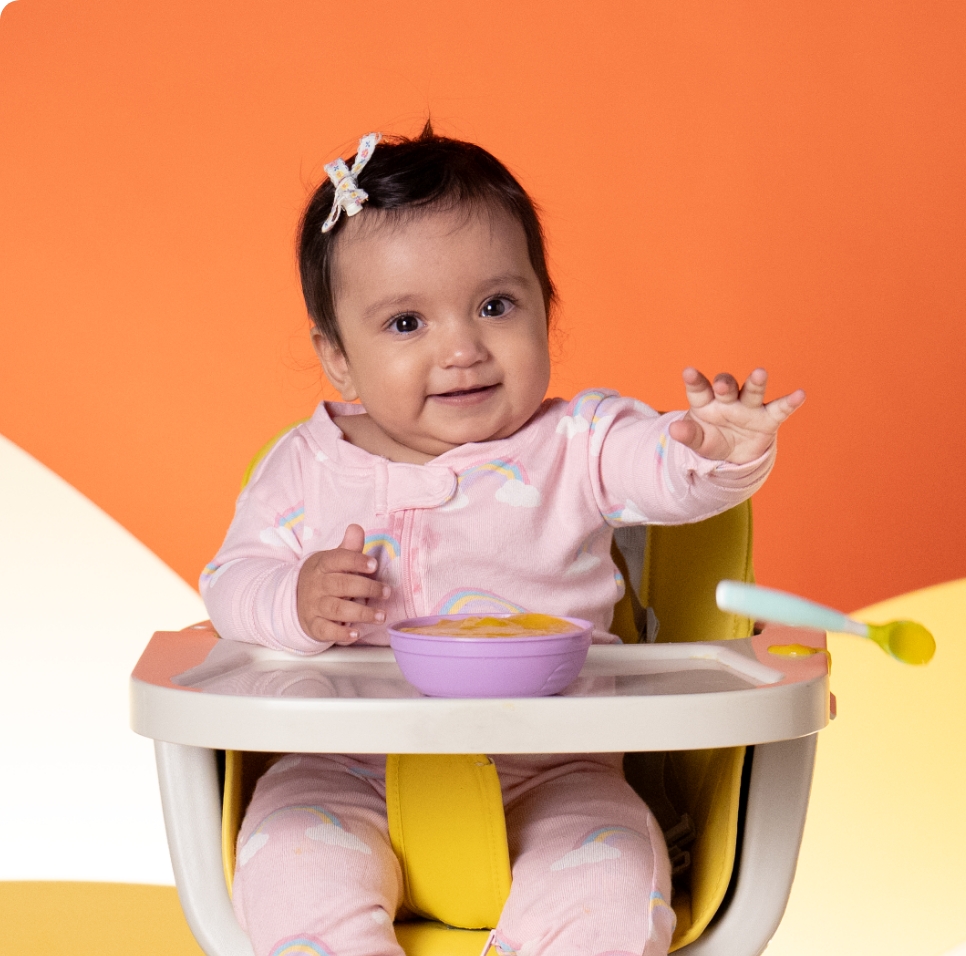
Kuhu 8 Mos
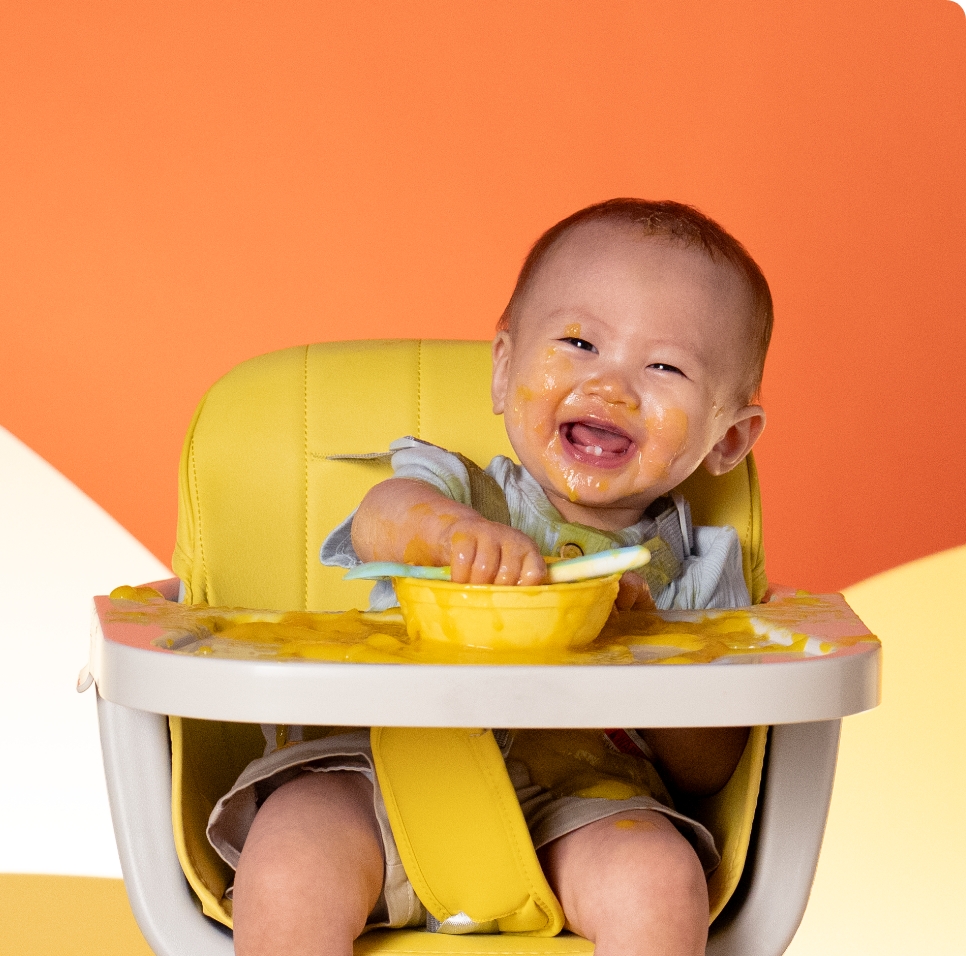
Ryan 8 Mos

Burr 7 Mos